Wait! What’s that word?? 🤷🏻♂️ Wishcycling, the first time the term appeared on print was a story by the journalist, Eric Roper. It started from the recycling and waste industry as a response to the ‘invasion of non-recyclables’ that pollutes the recycling system.
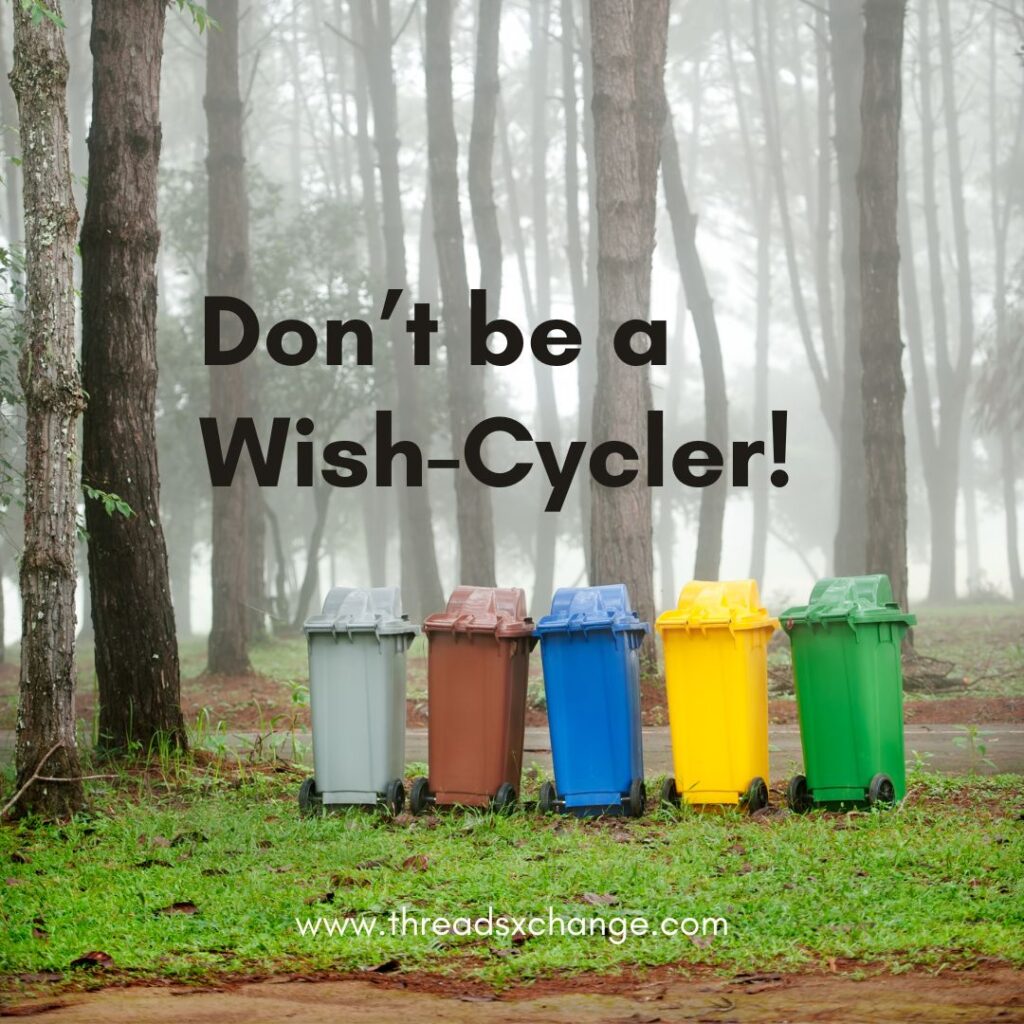
Wishcycling happens when people are unfamiliar with what can be recycled or they believe the item they recycled is recyclable. But who should we blame? The individual? The infrastructure? or the industries?
My approach is always: Learn, before pointing fingers.
Start with reading updated information and guidelines from your local council website. If you get the chance, visit your local recycling centres and learn from the professionals! Education and awareness comes first when addressing an issue! For Adur and Worthing residents, this information can be accessed easily by just downloading the Adur & Worthing Council Services Mobile App.
I got the chance to visit the Materials Recycling Facility (MRF) in Ford, and finally got all the answers about recycling in West Sussex (where I am living). The visit includes a short presentation in the education centre, and then we get to view the MRF’s recycling technology on the viewing platform. Check out the video below:
Materials Recycling Facility (MRF) is a facility that receives, separates and prepares recyclables for marketing to reprocessors and end of use manufacturers, from our kerbside recycling bins. The mixed recycling is then mechanically sorted and separated into individual material types, baled up and transported to re-processors for manufacturing into new goods and products. Each year, they sort and transfer approximately 80,000 tonnes of waste.
Don’t you feel terrified by listening to this amount of waste we created each year? This is only the recycling materials from West Sussex alone. What about West Sussex’s general waste? What about the recycling materials and general waste from other counties or other countries? Let’s talk about this horror in another post. Get back to the recycling business!
My key takeaway from this visit is to Recycle Responsibly. Which then prevents you becoming a wish-cycler. By knowing how the technical part and the process of the facility works, you would understand where your recycling goes, the how’s and why you need to recycle responsibly, nonetheless the importance. Bear in mind certain points or guidelines mentioned here only apply to West Sussex county residents in the UK. If you are not from this area, kindly check with your local councils and local recycling facilities.
Where does our recyclable waste goes?
On this page you’ll find a downloadable file under the topic “What Happened to Collected Recycling”. There’s an up-to-date extensive list of materials, followed by details on amount being recycled, where it went, and the amount that went to the landfill. Surprisingly, there are some materials being sent to my home country, Malaysia!
How to Recycle Responsibly?
You need to ensure your recyclable material is clean, dry and loose. The trainer mentioned our recyclables doesn’t need to be dishwasher sparkling clean, but at least being rinsed and ensure it’s dry. As the recycling sorting process is mainly done by automated machinery, the machine can’t sort out things that are tied up in a bag. Therefore, our recyclables have to be loose. Keep the caps on.
Don’t treat your kerbside recycling bins as your general rubbish bin!
According to the trainer, they received all kinds of things that is not supposed to be in the kerbside recycling bin. To make it simple, here’s an A-Z list of things that you can recycle, as well as suggestions on how to reuse them. Do read properly which can go directly into the kerbside recycling bin, and which ones have to send to the recycling centre separately.
What are the consequences if you don’t do it right?
A very good example the trainer showed was batteries and disposable vapes. These items are supposed to be carefully and specifically managed as they are flammable and might explode. Therefore they shouldn’t be in the kerbside recycling bins. We’ve been shown footage of facilities catching fire, or sparks flying around, putting the staff in serious danger.
Things that are not supposed to be in the recycling stream can also damage machines, causing delays in work processes and additional work for recycling sorting staff.
Importance of Recycling
The famous 5R concept in waste management starts from Refuse, Reduce, Reuse, Repurpose and Recycle. Being the last R in the concept doesn’t mean it should be neglected. Recycle means reusing materials without constantly sourcing or producing new materials such as mining and logging. It reduces the amount of waste going to landfills. It is also cost efficient as recycled materials are often less expensive for manufacturers.
Do you know that up to 59% of the contents of the average waste bin in West Sussex doesn’t need to be there? More than half of the materials are recyclables which possibly able to help reduces cost, energy and environmental impact!
Feeling Sceptical?
You could comment that recycling is another government’s money-making business and let me tell you, Yes it is. Recycling is definitely NOT a non-profit business. Think about the machinery, the research and development to automatically separate papers, metal, glass, plastics on a large scale (we are talking about thousands of tonnes here). These need money and your co-operation to sustain.
These facilities are sorting and recycling materials that have a market value, at the same time extending the lifespan of finite natural resources like metals, wood, and fossil fuels. Helping other corporations and us consumers in waste management and reduce environmental impact.
Moving forward, it should come to a consensus that, every business model on earth should follow the sustainable development goals as guidelines. A circular economy is a system we need to work towards. On the other hand, we certainly need strict auditors to check and balance the actions of corporations, ensuring they align with the company’s stated missions and values for a better planet.
As a consumer, let’s play our part collaboratively.
Interesting Fun Fact!
Do you know the amount of recyclable material has it’s peak and low seasons too? This is the most interesting fun fact I heard from the session. Similar to holiday seasons or sales seasons, there are ups and downs in a year. As we have different festivals celebrated across the year, the recycling facility receives more recycling during Easter and Christmas due to extra packaging material, greeting cards, wrapping paper etc.
Hmm…talking about overconsumption? Ooh! That’s gonna be another post!
Conclusion
Recycle is one of the solutions to minimise environmental impact but it’s NOT the only way and it’s the LAST R in the 5Rs of waste management. Refuse and Reduce is key. There’s NO PLANET B to pile up the waste we’ve produced or possibly OVERPRODUCED.
Before you buy something, ask yourself is it a need? Are the packaging materials recyclable? After buying, don’t be a wishcycler. Be a Responsible Recycling Master! As the West Sussex Recycles tagline goes “Think before you throw”.
And if you think recycling is a hassle? Easy! 😏 Back to Refuse and Reduce. Buy less, or buy better that lasts longer! Are you familiar with your local recycling guidelines? Comment down below.
References:
https://www.bbc.co.uk/news/science-environment-59133056
https://www.circlewaste.co.uk/2020/09/16/what-are-the-5-rs-of-waste-management